


Winter Workplace Safety: Why the Holiday Season Puts Workers at Greater Risk
Posted on: December 2, 2025 in General Industry
By: James Junkin
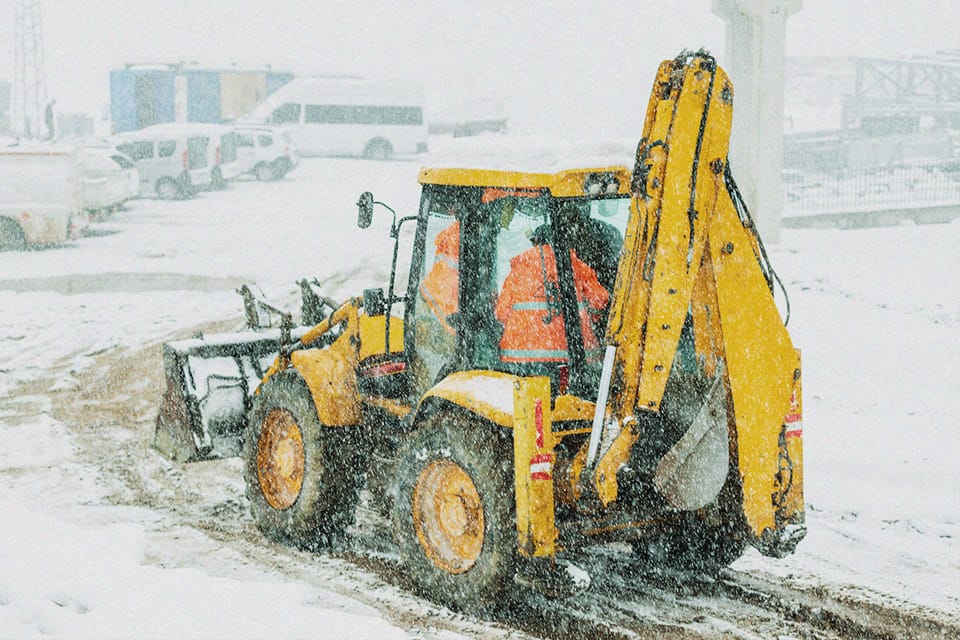
Winter workplace safety is often overlooked during the holidays, even though this season brings a sharp rise in serious incidents. It is a time filled with celebrations, travel, and year-end pressure. Yet for many organizations, it also becomes one of the most dangerous periods of the year. As employees and leaders race to hit targets and prepare for time off, safety procedures slip and risky shortcuts become more common. These decisions can lead to life-changing injuries, fatalities, and long-term organizational fallout.
Industry data shows a clear trend. Injuries and fatalities climb during November and December. Several factors combine to raise risk, and many of them intensify during the holidays. Common contributors include:
- Increased workloads to meet year-end goals
- Seasonal workers who lack experience or training
- Higher stress and mental fatigue
- Winter hazards such as ice, snow, and poor visibility
- Pressure to work faster and push productivity
When speed takes priority over winter workplace safety, the chances of serious incidents climb quickly.
The Tragic Reality
The national numbers are striking. The U.S. Bureau of Labor Statistics reported 5,283 fatal work injuries and 2.6 million non-fatal injuries and illnesses in 2023. These totals cover the entire year, but safety professionals consistently note a spike in incidents during holiday months.
Fatigue, overtime, and rushed decisions play major roles. The National Safety Council estimates around 39,500 injuries during Christmas and 46,500 during New Year’s celebrations. In industries like construction, transportation, warehousing, and retail, the risks grow even more. Temporary workers are often brought in quickly and receive only basic training, which leaves them vulnerable in high-hazard environments.
One tragic example still resonates. On December 8, 2020, a deadly explosion occurred at a chemical plant in Belle, West Virginia. A worker lost his life and another suffered severe burns. The explosion came from an overheated rotary double-cone dryer that triggered a runaway chemical reaction. Toxic chlorine gas was released, a fire ignited, and metal debris was thrown across the site. Damages totaled an estimated $33 million.
Investigators later found gaps in the hazard analysis process, poor communication of chemical risks, and missing thermal hazard testing after equipment changes. This event remains a clear reminder of the consequences when production pressure overrides winter workplace safety.
Winter Workplace Safety Requires Strong Preventive Measures
Because risks increase during this season, employers must reinforce basic protections. Seasonal workers need extra attention since many lack experience and may not recognize hazards. Regular safety meetings and toolbox talks help keep safety top of mind. In addition, several practical steps can prevent avoidable injuries:
- Manage workloads realistically to reduce fatigue
- Enforce rest breaks, especially during overtime
- Keep walkways clear to prevent slips and falls
- Clean spills right away
- Inspect decorative lighting and avoid overloaded circuits
- Confirm extension cords and equipment meet safety standards
- Provide ergonomic tools when possible
- Remind workers about proper lifting techniques
These simple actions support winter workplace safety and reduce common risks tied to cold weather and increased physical activity.
Psychological Safety Cannot be Overlooked
Physical safety often gets the most attention during the holidays. However, psychological safety matters just as much. Workers experience added stress as they balance job demands with personal obligations. Fatigue, worry, and burnout affect judgment and contribute to errors. Many employees hesitate to speak up when they feel overwhelmed, especially when teams are already stretched thin. They fear appearing unproductive or uncommitted.
Leaders play a key role here. Teams with strong psychological safety report hazards earlier, communicate more openly, and feel comfortable asking for help. Supportive leadership behaviors include active listening, acknowledging seasonal stress, offering flexibility when possible, and promoting mental health resources. Even small shifts can make a meaningful difference.
Organizations that build both physical and psychological safety benefit in several ways. Incident rates drop. Engagement rises. Workers collaborate more effectively. And during high-pressure periods like the holidays, these strengths create stability and resilience.
A Comprehensive Approach to Winter Workplace Safety
Preventing winter workplace incidents requires planning rather than reacting. A proactive approach begins with a focused risk assessment that considers hazards unique to the season. Employers should review factors such as increased workloads, temporary staffing, severe weather, and compressed timelines. With these insights, leaders can adjust schedules, increase staffing, and refresh safety training to address seasonal conditions.
Clear communication supports all these efforts. Consistent messaging keeps winter workplace safety visible and reinforces expectations. Companies can use team meetings, email reminders, signage, and short videos to highlight risks and share tips. Frequent reminders help workers stay alert when distractions increase.
Upholding a Strong Safety Culture
Culture also plays a defining role. A strong safety culture makes it clear that safety is not negotiable, even when deadlines loom. Employees watch leaders closely, and when leaders demonstrate safe behavior, workers follow. This includes completing hazard analyses, following lockout procedures, wearing proper PPE, and pausing work when conditions change. Leadership behavior signals what truly matters.
A culture rooted in winter workplace safety encourages personal accountability and shared responsibility. Workers feel empowered to report hazards, ask questions, and make safe choices even in stressful moments. When everyone understands that safety is a collective priority, the workplace becomes more secure and more productive.
Conclusion
The holiday season should bring celebration, not tragedy. By addressing the seasonal rise in risk and making deliberate safety decisions, organizations can protect their workers and avoid preventable incidents. Every action counts, from reinforcing physical safeguards to promoting psychological well-being.
As winter approaches, companies have an opportunity to strengthen winter workplace safety and ensure everyone goes home safely to enjoy the season. When organizations commit to these efforts, they protect their people, support their culture, and build safer operations year-round.
About the Author
James A. Junkin, MS, CSP, MSP, SMS, ASP, CSHO is the chief executive officer of Mariner-Gulf Consulting & Services, LLC and the chair of the Veriforce Strategic Advisory Board and the past chair of Professional Safety journal’s editorial review board. James is a member of the Advisory Board for the National Association of Safety Professionals (NASP). He is Columbia Southern University’s 2022 Safety Professional of the Year (Runner Up), a 2023 recipient of the National Association of Environmental Management’s (NAEM) 30 over 30 Award for excellence in the practice of occupational safety and health and sustainability, and the American Society of Safety Professionals (ASSP) 2024 Safety Professional of the Year for Training and Communications, and the recipient of the ASSP 2023-2024 Charles V. Culberson award. He is a much sought after master trainer, keynote speaker, podcaster of The Risk Matrix, and author of numerous articles concerning occupational safety and health.
References
Arnold & Itkin LLP. (n.d.). Workplace injuries increase around the holidays. https://www.arnolditkin.com/blog/work-accidents/workplace-injuries-increase-around-the-holidays/
U.S. Bureau of Labor Statistics. (2024). Employer-reported workplace injuries and illnesses, 2023 [News release]. U.S. Department of Labor. https://www.bls.gov/news.release/osh.nr0.htm
HazardEx. (2023, July 10). Investigation report into fatal 2020 chemical plant explosion released. https://www.hazardexonthenet.net/article/199262/Investigation-report-into-fatal-2020-chemical-plant-explosion-released.aspx
HSE Blog. (2025, August 1). Holiday safety toolbox talks: Keep workers safe this season. https://www.hseblog.com/holiday-safety-toolbox-talks/
LegalJobs.io. (2023, July 4). Holiday accident statistics. https://legaljobs.io/blog/holiday-accident-statistics
OSHA.com. (2024, December 19). Holiday safety tips for your workplace. https://www.osha.com/blog/ehs-safety-resolutions
The Compliance Center. (2025, November 19). Workplace safety during the holiday season. https://www.thecompliancecenter.com/workplace-safety-during-the-holiday-season/
U.S. Department of Labor. (2024, November 27). Making holiday work safe for everyone. https://blog.dol.gov/2024/11/27/making-holiday-work-safe-for-everyone