

Tornado Preparedness and the Fragility of Assumed Safety at Work
Posted on: May 5, 2026 in General Industry
By: James Junkin
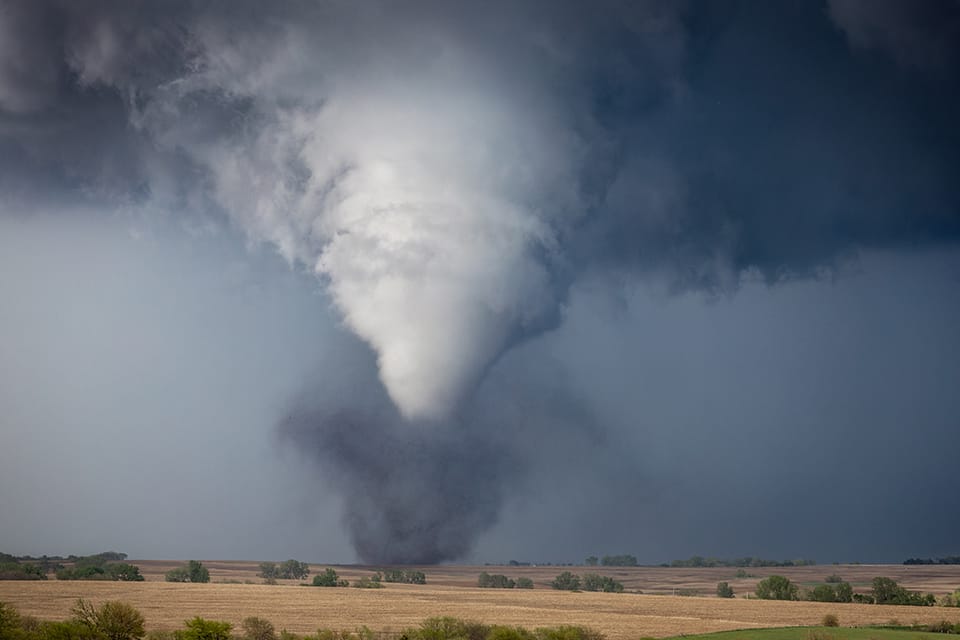
Tornado preparedness is often underestimated in workplaces, despite being a predictable and recurring risk in many regions. While April brings rain and growth, it also brings severe storms and tornadoes.
Tornadoes are widely recognized as dangerous. However, they are often treated as unlikely disruptions. As a result, many employers rely on assumptions instead of planning.
In the Midwest and Southeast, tornadoes are seasonal threats. Yet many organizations assume buildings provide protection. Others believe warnings allow enough time to react.
However, history shows these assumptions fail quickly. When tornadoes strike, weak preparation becomes clear.
Workplace Vulnerabilities During Severe Weather
Workplaces create unique risks during tornado events. Employees are often spread across large facilities. Additionally, they may operate machinery or wear hearing protection. Because of this, workers depend on supervisors for direction. They rarely act independently during emergencies. Therefore, delays in communication can be deadly.
Production pressure also slows response. Supervisors may hesitate to stop operations. As a result, workers remain exposed during critical moments. Facility design adds further risk. Many industrial buildings use wide-span roofs and lightweight materials. While efficient, these structures perform poorly in extreme winds.
Without reinforced safe rooms, shelter options are limited. Bathrooms and hallways are often used instead. However, these areas are not designed for high-impact debris. Consequently, survival may depend on chance. This reality highlights the importance of effective tornado preparedness.
Edwardsville, Illinois: A Preventable Tragedy
On December 10, 2021, workers reported to an Amazon facility in Edwardsville, Illinois. Severe weather warnings were already in place. As conditions worsened, a powerful EF-3 tornado struck the building. The structure collapsed, killing six workers.
Employees were directed to interior areas. However, confusion about shelter locations created risk. Some workers moved into unsafe zones. Survivors described rapid structural failure. Once collapse began, escape was impossible.
OSHA later investigated the incident. However, no citations were issued for building design. Instead, OSHA highlighted gaps in procedures and communication.
This event exposed a regulatory gap. Tornado preparedness is recognized, yet enforceable shelter standards remain limited.
Mayfield, Kentucky: When Decisions Fail
The same storm system hit Mayfield, Kentucky. A candle factory was destroyed during the outbreak. More than 100 workers were inside. When the tornado struck, the building collapsed completely. At least eight employees died.
Reports later suggested workers felt unable to leave. Some feared job loss if they exited early. As a result, they remained in danger. OSHA cited the company for serious violations. These included failures in emergency planning.
This tragedy shows a critical issue. Hazard recognition alone is not enough. Effective tornado preparedness requires empowered decision-making.
Warehousing Risks Across the South
Smaller incidents reveal similar patterns. Warehouses and processing plants across Arkansas and Alabama face repeated tornado impacts. In many cases, workers were injured while sheltering in unsafe areas. These events often occur during night shifts.
Alabama has especially high fatality rates. Nighttime storms reduce visibility and awareness. Meanwhile, facilities continue operating. Post-incident reviews show consistent failures. These include poor alarms, unclear procedures, and lack of drills.
Therefore, tornado preparedness must address all shifts equally. Otherwise, risk increases for off-hour workers.
OSHA Expectations and Employer Responsibility
OSHA does not have a specific tornado standard. However, employers still have clear responsibilities. Under the General Duty Clause, employers must address known hazards. Tornadoes meet this definition in high-risk regions.
Employers must maintain Emergency Action Plans. These plans should include alarms, shelter procedures, and accountability systems. However, plans alone are not enough. Employees must be trained regularly. Additionally, systems must function during real emergencies.
OSHA also evaluates foreseeability. If tornado risk is known, failure to act may result in violations. Ultimately, responsibility does not end with awareness. Tornado preparedness requires action.
Shared Risk in Multi-Employer Worksites
Many workplaces involve multiple employers. This creates additional complexity during emergencies. Host employers must define shelter locations and procedures. They must also communicate clearly with contractors.
However, contractors share responsibility. They must ensure their workers are protected. If conditions are unsafe, they must act.
Coordination is critical. Without it, confusion delays response. Therefore, joint planning is essential for tornado preparedness.
Tornado Preparedness Before the Storm
Effective tornado preparedness begins with realistic risk assessment. Employers must evaluate local weather patterns and facility vulnerability. In high-risk regions, tornadoes are frequent. Therefore, planning must reflect this reality.
Structural assessments are also necessary. Many buildings cannot withstand strong tornadoes. In these cases, safe rooms are required. Emergency plans must include clear triggers. For example, a tornado warning should automatically initiate shelter procedures. Plans should remove hesitation. Workers must know exactly what to do and when to act.
Training is equally important. Employees must practice drills regularly. This builds confidence and reduces confusion. Supervisors must also be trained. They need authority to stop work immediately. Without this authority, delays will occur. Preparedness must include all workers. Night shifts and contractors must receive equal training.
Finally, leadership must support these efforts. When safety is prioritized, employees respond faster and more effectively.
Why Tornado Preparedness Must Replace Assumptions
Many organizations rely on past experience. If they have not been hit, they assume safety. However, this belief is dangerous. Tornadoes are unpredictable and powerful.
Preparedness must replace optimism. Employers must act before disasters occur.
When organizations invest in tornado preparedness, outcomes improve. When they do not, consequences are severe.
Conclusion
Workplace tornado fatalities are not random events. Instead, they result from predictable failures in planning and response. Tornadoes act quickly and without warning. Therefore, decisions must be made in advance.
Preparedness is the only reliable protection. Response efforts, while important, often come too late. Employers must prioritize planning, training, and structural safety. Tornado preparedness must be visible and enforced.
Ultimately, no production goal outweighs worker safety. The true measure of leadership is action taken before the storm arrives.
About the Author
James A. Junkin, MS, CSP, MSP, SMS, ASP, CSHO is the chief executive officer of Mariner-Gulf Consulting & Services, LLC and the chair of the Veriforce Strategic Advisory Board and the past chair of Professional Safety journal’s editorial review board. James is a member of the Advisory Board for the National Association of Safety Professionals (NASP). He is Columbia Southern University’s 2022 Safety Professional of the Year (Runner Up), a 2023 recipient of the National Association of Environmental Management’s (NAEM) 30 over 30 Award for excellence in the practice of occupational safety and health and sustainability, and the American Society of Safety Professionals (ASSP) 2024 Safety Professional of the Year for Training and Communications, and the recipient of the ASSP 2023-2024 Charles V. Culberson award. He is a much sought after master trainer, keynote speaker, podcaster of The Risk Matrix, and author of numerous articles concerning occupational safety and health.