


When a Lithium-Ion Battery Causes an Injury at Work
Posted on: April 7, 2026 in General Industry
OSHA’s 2026 Interpretation and the Strength of the Geographic Presumption
A lithium-ion battery incident at work highlights OSHA’s 2026 interpretation and modern workplace realities.
On January 20, 2026, OSHA issued a Letter of Interpretation addressing a realistic workplace scenario.
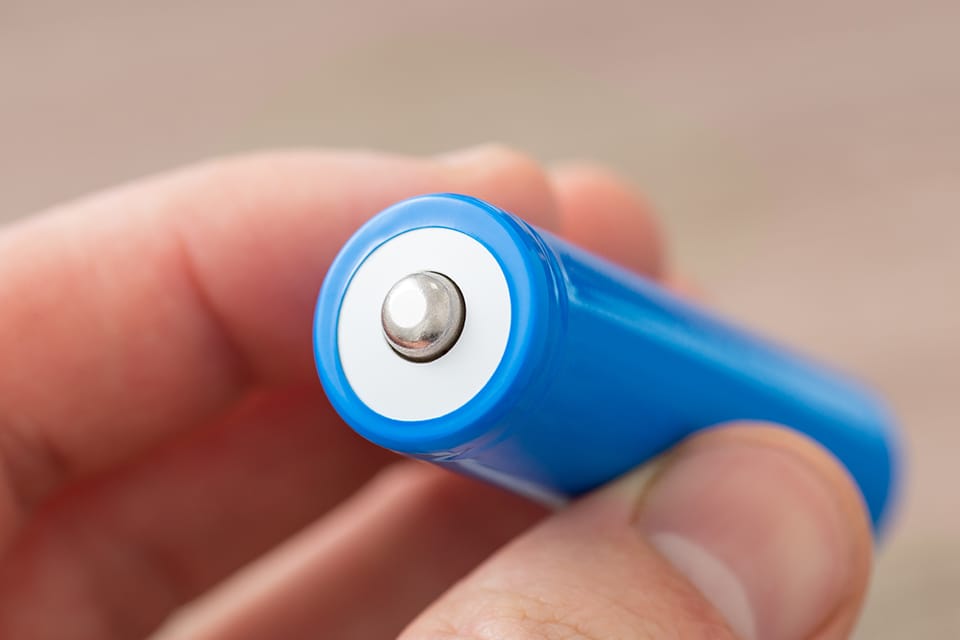
An employee brought a personal lithium-ion battery for use in an e-cigarette. The battery was carried in a pocket during assigned working hours. However, it ignited and caused a burn injury at the employer’s facility.
OSHA concluded the injury was work-related for recordkeeping purposes.
The battery was not part of the employee’s job duties. Additionally, the employer did not supply it. Moreover, the activity was unrelated to production.
Yet, the case was still recordable.
Importantly, this interpretation does not signal a policy shift. Instead, it reinforces a principle in 29 CFR Part 1904 since the 2001 rulemaking. Work-relatedness depends primarily on where the injury-producing event occurs.
The Structure of the Rule
Section 1904.5(a) establishes the foundation. An injury is work-related if an event in the work environment caused or contributed to the condition. This applies unless a specific exception in §1904.5(b)(2) exists.
Two elements are central:
First, work only needs to be a causal factor. The regulation does not require work to be the primary cause. It also does not require weighing occupational and non-occupational influences.
Second, there is a geographic presumption. When the event occurs in the work environment, the case is presumed work-related. This applies if the employee is present as a condition of employment.
In the lithium-ion battery scenario, the fire occurred during assigned working hours. Therefore, that fact alone sustained the presumption.
Fault, preventability, and employer control were not relevant to the determination.
The Limits of the Exceptions
Part 1904 contains eight specific exceptions to work-relatedness. OSHA reiterated that these exceptions are exclusive and fact-specific. There is no general exclusion for personal property or unrelated activities.
The employer asked whether several exceptions might apply. These included eating, personal tasks, and personal grooming. However, OSHA concluded none applied under the presented facts.
The employee was at work during assigned hours. Therefore, that alone was sufficient.
This clarification is important. It closes the door on arguments based solely on personal ownership.
Defining the Precipitating Event
The employer also questioned the role of prior battery storage. Specifically, they asked if improper storage before work was the precipitating event.
OSHA disagreed. Instead, the precipitating event was the fire in the workplace. That event directly produced the injury.
This reflects a consistent regulatory approach. When the injury occurs in the workplace, earlier offsite actions rarely override the presumption.
Lithium-Ion Battery Risks in a Modern Workplace
Personal technology is now common in industrial environments. For example, lithium-ion battery devices include phones, power banks, and heated apparel.
As a result, these devices are widely present on jobsites and in facilities. Consequently, similar recordkeeping questions will continue to arise.
This interpretation provides clarity. If the injury occurs at work during assigned hours, the case is work-related. This applies unless a specific exception exists.
OSHA also reiterates an important point. Recording a case does not imply fault or negligence. Instead, the system serves as a data collection mechanism. It is not a liability framework.
Interpreting and Communicating These Cases
Incidents involving personal items can create confusion within organizations. This is especially true when injury metrics are closely monitored.
Leaders may question why such cases appear on OSHA logs. That reaction is understandable.
However, clarity helps.
Organizations benefit from separating three key concepts:
- Recordability under Part 1904.
- Root cause and operational control.
- Broader safety performance trends.
A case may be recordable due to location alone. Even so, the hazard may not come from employer processes.
Communicating this distinction reduces overreaction risks. It also prevents misinterpretation of injury data. Furthermore, it strengthens confidence in the recordkeeping system.
The Takeaway
OSHA’s January 2026 interpretation does not expand employer obligations. It also does not alter citation standards. Instead, it reinforces a long-standing regulatory structure.
When an injury occurs at work during assigned hours, it is work-related. This applies unless an exception in §1904.5(b)(2) is met.
As personal technology continues to grow, boundaries will continue to blur. Therefore, the geographic presumption will remain central to OSHA’s approach.
For safety leaders, understanding this framework is essential. Equally important, it must be communicated consistently across the organization.
Understanding how a lithium-ion battery incident becomes recordable is only part of the equation. Veriforce helps organizations strengthen safety programs, improve compliance, and interpret complex OSHA requirements with confidence. Learn how Veriforce can support your team in managing risk and maintaining accurate recordkeeping. Let’s Talk.
About the Author
Josh Ortega is Vice President of Global HSE & Sustainability at Veriforce. With over 30 years of experience, he builds technology-enabled systems that prevent serious incidents and strengthen learning. He contributes to industry guidance and speaks widely on contractor risk, data-driven insights, and the future of safety leadership.