


Subcontractor Management: The Costly Consequences of Neglecting Safety Oversight
Posted on: January 22, 2026 in General Industry
By: James Junkin
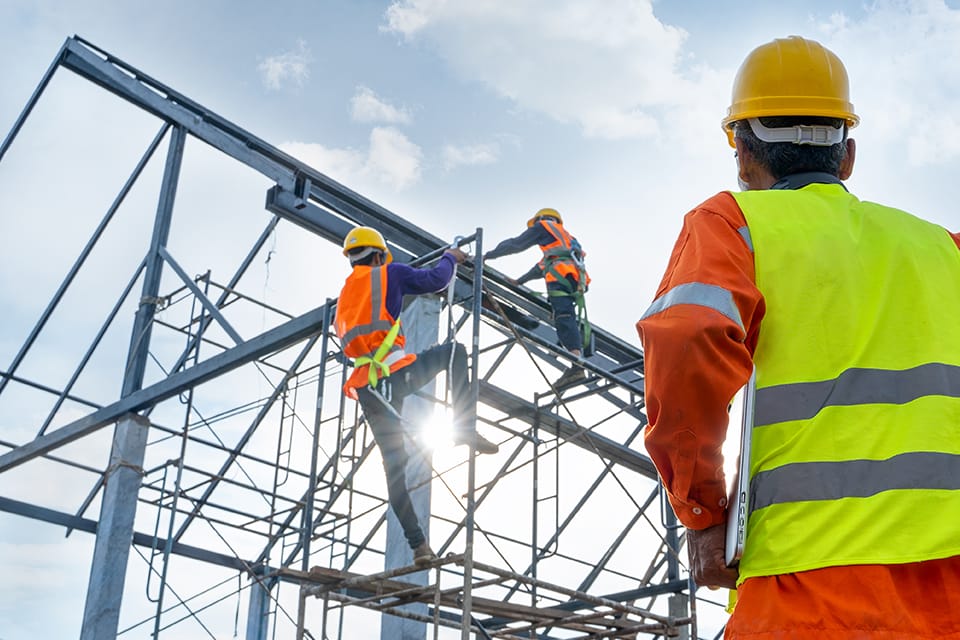
Subcontractor management failures can create serious safety, financial, and reputational risks across industrial worksites. In construction, oil and gas, and other high-risk sectors, subcontractors are essential to project delivery. However, when their safety activities are poorly managed, the consequences can be severe. Protecting subcontractors is not optional. It is a core responsibility tied directly to business performance.
Effective subcontractor management goes beyond scheduling and cost control. It requires clear oversight of safety practices, training, and compliance. When that oversight is missing, incidents become more likely. Over time, those incidents translate into legal exposure, operational delays, and long-term brand damage.
Risks Created by Poor Subcontractor Management
There are many ways inadequate subcontractor management leads to negative outcomes. Below are some of the most common and costly risks.
Legal Liability
When subcontractor safety is neglected, liability often shifts upstream. If injuries occur, hiring clients and prime contractors may be held responsible. Courts frequently examine whether reasonable care was exercised to ensure a safe workplace.
OSHA Citations and Enforcement Actions
Under OSHA’s multiemployer citation policy, controlling employers can be cited even if their employees were not exposed. If a subcontractor creates a hazard and oversight is lacking, citations may follow. Failure to prequalify, inspect, or enforce safety requirements increases this risk.
Reputational Damage
Serious incidents involving subcontractors can quickly become public. News coverage and regulatory reports can damage trust with clients, partners, and investors. Rebuilding credibility after a major event is difficult and expensive.
Direct Financial Costs
Safety failures often lead to higher insurance premiums, legal fees, and regulatory fines. Compensation claims and settlements further strain budgets. Over time, these costs erode profitability.
Project Delays and Cost Overruns
Accidents involving subcontractors can halt work entirely. Investigations, corrective actions, and workforce disruptions often delay schedules. As a result, project costs escalate.
Loss of Productivity
Unsafe conditions reduce morale across the workforce. Subcontractors may hesitate to perform tasks or rush work to avoid exposure. Both outcomes hurt productivity and quality.
Recruitment and Retention Challenges
Companies known for weak safety oversight struggle to attract skilled labor. Workers prefer employers who demonstrate a clear commitment to safety. Poor subcontractor management undermines that message.
Strained Subcontractor Relationships
Subcontractors are less likely to return after unsafe experiences. High turnover among vendors increases onboarding costs and reduces consistency. Strong relationships depend on mutual safety accountability.
Regulatory Compliance Issues
Repeated safety failures often draw increased scrutiny from regulators. Inspections become more frequent and penalties more severe. In extreme cases, projects may be shut down.
Increased Oversight Burden
Ironically, poor subcontractor management creates more administrative work. Additional inspections, audits, and monitoring consume time and resources. This distracts leaders from other priorities.
Ethical and Social Responsibility Concerns
Neglecting subcontractor safety reflects poorly on organizational values. Protecting workers is both a moral obligation and a business imperative. Ethical lapses often precede reputational damage.
Real-World Examples of Subcontractor Management Failures
History offers clear lessons about the cost of weak subcontractor management. The following incidents highlight how oversight gaps can escalate into catastrophic outcomes.
Case Study 1: BP Texas City Refinery Explosion (2005)
In 2005, an explosion at BP’s Texas City Refinery killed 15 workers and injured more than 180 others. Many victims were contractors performing maintenance work. Investigators found serious failures in contractor oversight.
Contractors lacked adequate training and supervision. Communication between BP and subcontractors was inconsistent. Safety procedures were unclear and poorly enforced. These subcontractor management failures contributed directly to a breakdown in process safety.
Case Study 2: Seattle Tunnel Collapse (2007)
During a highway tunnel project in Seattle, a collapse injured several workers. Investigations revealed inadequate supervision of tunneling subcontractors. Safety training was insufficient, and communication gaps were widespread.
The general contractor failed to coordinate safety protocols across subcontractor teams. As a result, hazards went unaddressed until the collapse occurred.
Case Study 3: New York City Crane Collapse (2008)
A crane collapse in New York City killed multiple people during high-rise construction. Crane operation and maintenance had been subcontracted to a third party. Investigators found serious safety violations.
Inspections were incomplete, and maintenance practices were deficient. The general contractor was criticized for failing to oversee subcontractor activities. This subcontractor management breakdown had fatal consequences.
Case Study 4: West Fertilizer Explosion (2013)
An explosion at the West Fertilizer Company in Texas killed 15 people, including first responders. Subcontractors were involved in maintenance and inspections. Oversight of hazardous material storage was inadequate.
Communication failures and weak safety controls left risks unmanaged. Investigators cited a lack of awareness and coordination between the company and its subcontractors.
Case Study 5: DuPont La Porte Chemical Release (2014)
In 2014, a toxic gas release at a DuPont plant killed four workers. Subcontractors were performing maintenance on affected equipment. Investigations revealed gaps in training and supervision.
Known hazards were not fully addressed. The incident led to lawsuits, fines, and long-term reputational damage. Subcontractor management failures played a central role.
Case Study 6: Houston Scaffold Collapse (2017)
A scaffold collapse at a Houston construction site injured multiple workers. The scaffold had been installed and maintained by a subcontractor with a poor safety history.
The general contractor failed to conduct thorough safety assessments. Proper certifications and training were missing. Once again, weak subcontractor management contributed to preventable injuries.
Why Subcontractor Management Must Be a Priority
These examples illustrate a consistent pattern. When subcontractor management is weak, hazards multiply. Small gaps in oversight can combine into catastrophic failures. Beyond the human toll, the financial and operational impacts are long-lasting.
Businesses cannot afford to treat subcontractor safety as secondary. Robust systems must extend beyond direct employees. This approach protects workers, projects, and reputations over time.
The Role of Safety Prequalification in Subcontractor Management
Fortunately, there are proven ways to reduce risk. Subcontractor safety prequalification systems play a critical role in effective subcontractor management. These systems help ensure only capable, safety-conscious subcontractors are hired.
Evaluating Safety Performance
Prequalification systems assess past safety performance. They review incident history, regulatory compliance, and adherence to industry standards. This helps identify subcontractors with strong safety cultures.
Verifying Safety Management Practices
Prequalification also examines policies, training programs, and procedures. Systems verify that subcontractors meet regulatory and industry requirements. This builds confidence that safety will be prioritized onsite.
Assessing Financial Stability
Financially unstable subcontractors may cut corners. Prequalification systems evaluate financial health to reduce this risk. Stable subcontractors are better positioned to invest in safety controls.
Aligning with Safety Objectives
Effective subcontractor management requires alignment. Prequalification allows hiring clients to set clear safety criteria. These may include certifications, training standards, or continuous improvement commitments.
Improving Communication and Collaboration
Prequalification systems support clearer communication around expectations. Subcontractors gain access to requirements and resources upfront. This encourages collaboration and proactive hazard management.
Strengthening Subcontractor Management for Long-Term Success
Neglecting subcontractor safety management carries high costs. Legal exposure, regulatory penalties, and reputational harm can follow a single incident. Over time, these risks compound and threaten business stability.
Strong subcontractor management systems reduce variability and improve consistency. They help organizations identify risk earlier and act before incidents occur. Most importantly, they protect the people doing the work.
By extending safety expectations to every subcontractor, businesses can reduce incidents and safeguard performance. In today’s high-risk environments, effective subcontractor management is not optional. It is essential for sustainable operations and long-term success.
To learn how stronger subcontractor management can reduce risk and improve safety outcomes, talk to our sales team to see what’s possible for your organization.
About the Author
James A. Junkin, MS, CSP, MSP, SMS, ASP, CSHO is the chief executive officer of Mariner-Gulf Consulting & Services, LLC and the chair of the Veriforce Strategic Advisory Board and the past chair of Professional Safety journal’s editorial review board. James is a member of the Advisory Board for the National Association of Safety Professionals (NASP). He is Columbia Southern University’s 2022 Safety Professional of the Year (Runner Up), a 2023 recipient of the National Association of Environmental Management’s (NAEM) 30 over 30 Award for excellence in the practice of occupational safety and health and sustainability, and the American Society of Safety Professionals (ASSP) 2024 Safety Professional of the Year for Training and Communications, and the recipient of the ASSP 2023-2024 Charles V. Culberson award. He is a much sought after master trainer, keynote speaker, podcaster of The Risk Matrix, and author of numerous articles concerning occupational safety and health.