


Ready to Work: Building a Safer Contractor Workforce
Posted on: August 11, 2026 in General Industry | Utilities/Energy
By: James Junkin
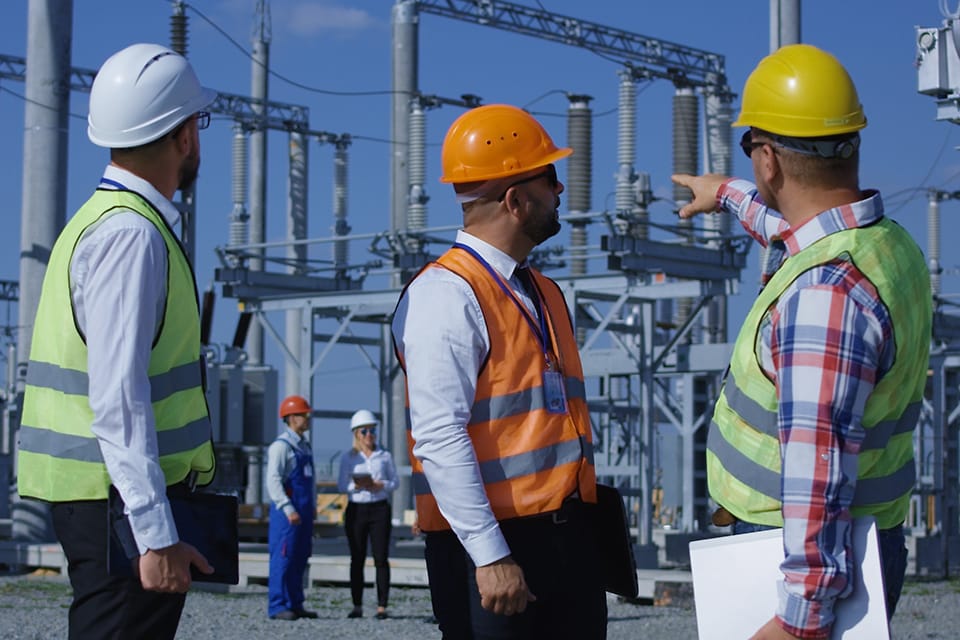
Ready to work means more than arriving at a jobsite with the right paperwork. It means every contractor is legally authorized, fully qualified, and operationally prepared to perform high-hazard work safely from day one.
In late July, Corey Silverman, a safety specialist at Highwire, and I hosted a Think Tank at the International Performance Management Institute (IMP) EHS Management Institute. Our discussion explored the growing reliance on contractors and subcontractors for routine maintenance, specialized technical services, capital projects, and planned shutdowns. As organizations increasingly depend on contractor workforces, verifying that every individual is ready to work has become a business and safety priority.
Industries such as power generation, oil and gas, manufacturing, construction, utilities, and chemical processing often assign contractors their most hazardous work. Traditional contractor management programs emphasize company-level qualifications such as insurance, Experience Modification Rates (EMRs), OSHA recordable rates, and written safety programs. Although these measures remain important, they do not confirm that individual workers can safely perform assigned tasks.
Why Every Contractor Must Be Ready to Work
Hiring clients have both legal and operational responsibilities before work begins. Under OSHA’s Multi-Employer Citation Policy, host employers may share liability when hazardous conditions affect contractor employees. In addition, workforce failures can lead to production losses, project delays, equipment damage, environmental incidents, and reputational harm. Therefore, organizations must ensure every worker arrives fully ready to work, not simply employed by a qualified contractor.
Workforce readiness consists of two connected elements: legal readiness and operational readiness. Legal readiness confirms workers meet employment, regulatory, and contractual requirements. Operational readiness verifies they possess the training, experience, qualifications, health status, and site-specific preparation needed to perform work safely.
A worker missing either element creates unnecessary risk. Someone with proper work authorization but inadequate training can expose everyone on site to danger. Likewise, a highly skilled employee without required documentation can create regulatory and legal challenges.
These risks become even greater during outages, turnarounds, shutdowns, and major construction projects. Hundreds or even thousands of contractor employees may arrive within a compressed timeframe. If deficiencies are discovered only after arrival, organizations often experience gate congestion, onboarding delays, schedule disruptions, and unnecessary administrative work.
Leading organizations now treat workforce readiness as a critical operational control instead of an administrative task. Verifying workers are ready to work before mobilization strengthens compliance, improves coordination, reduces delays, and supports safer project execution.
Legal Readiness Builds the Foundation
Legal readiness begins by confirming every worker is legally authorized to perform work within the appropriate jurisdiction. In the US, employers satisfy this obligation through the Form I-9 process. However, hiring clients should not assume employment authorization is solely the contractor’s responsibility.
Unauthorized workers discovered after mobilization can disrupt projects, delay schedules, and increase regulatory scrutiny. In highly regulated industries, organizations may also require E-Verify participation, customer-specific approvals, security clearances, or contractual access requirements. These controls protect operations while reducing organizational risk.
Legal readiness extends beyond employment authorization. Workers may also need current licenses, certifications, drug and alcohol testing, background checks, medical evaluations, and security approvals. Expired credentials or incomplete documentation frequently create preventable delays.
Organizations should view legal readiness as preventive risk management. Just as no employer would allow an unqualified electrician to perform energized work, organizations should never allow workers with unresolved compliance issues onto the site.
Ready to Work Means Operationally Prepared
Legal compliance alone does not ensure workforce readiness. Operational readiness determines whether workers can immediately perform assigned tasks safely and effectively. It includes training completion, technical qualifications, medical fitness, equipment certifications, hazard awareness, and familiarity with site-specific procedures.
A worker may satisfy every regulatory requirement yet still lack preparation for unfamiliar hazards or operating procedures. The strongest contractor management programs evaluate both legal and operational readiness together. Only then can organizations confidently say every contractor arrives ready to work.
A Utility Company’s Readiness Challenge
A major utility company operating more than 13,000 megawatts across 57 sites demonstrates why workforce readiness matters. During planned maintenance outages, the organization relied on large contractor workforces to complete critical maintenance and repair activities. These outages followed compressed schedules where even minor delays affected production and costs.
At peak mobilization, hundreds of contractor employees arrived within a short period. However, qualification reviews often occurred only after workers reached the site. Many arrived with incomplete drug screenings, background checks, safety credentials, or required documentation, creating unnecessary bottlenecks.
The effects extended well beyond gate delays. Internal teams spent valuable time reviewing records, resolving deficiencies, and coordinating with contractors. Instead of focusing on outage execution and field safety, supervisors became occupied with administrative issues.
Poor Readiness Increases Safety Risk
Readiness gaps affect both safety and operational performance. When supervisors spend time correcting onboarding deficiencies, they spend less time overseeing work in the field. This shift reduces hazard recognition and weakens operational oversight during high-risk activities. At the same time, delayed projects often create pressure to accelerate onboarding, increasing the potential for overlooked requirements.
Workers who arrive without proper preparation may also lack familiarity with site-specific hazards, emergency procedures, permit systems, and lockout/tagout expectations. Even experienced contractors need time to understand unfamiliar facilities. Eliminating these issues before mobilization creates a safer and more predictable workplace where every employee is ready to work.
Moving from Compliance to Workforce Assurance
To address these challenges, the utility company partnered with Veriforce to transform its contractor readiness process. Rather than identifying deficiencies at the gate, the organization verified qualifications before workers traveled to the site. This shift moved the company from reactive compliance to proactive workforce assurance.
The objective was simple. Every contractor should arrive fully qualified, fully compliant, and ready to work immediately upon entering the facility. Greater visibility into qualifications and centralized record management allowed deficiencies to be identified and corrected during planning instead of mobilization.
Contractors also gained direct visibility into worker qualification status. This transparency encouraged them to resolve outstanding requirements before arrival. As a result, supervisors and safety professionals focused on work execution instead of paperwork.
The Business Value of Workforce Readiness
Workforce readiness delivers measurable benefits beyond compliance. The utility company reduced onboarding delays, recovered significant labor costs, eliminated thousands of administrative hours, and resolved hundreds of compliance deficiencies before workers reached the site. Projects began more efficiently because workers arrived ready to work instead of waiting to complete missing requirements.
Readiness also improves schedule reliability. Planned outages, shutdowns, and turnarounds depend on precise coordination. When workers are fully prepared before arrival, organizations reduce delays and maintain project momentum.
From a safety perspective, workforce readiness allows safety professionals to concentrate on field observations, coaching, and hazard recognition. Workers who complete training, orientations, certifications, and medical evaluations before mobilization are also better prepared to follow site requirements.
Critical Components of Workforce Readiness
Hiring clients should verify several critical elements before contractor employees arrive on site. First, organizations should confirm completion of required safety training, site orientations, emergency response instruction, and task-specific qualifications. Second, they should validate technical competency through trade certifications, equipment qualifications, and applicable licenses.
Medical readiness should also be verified through required health evaluations, respirator clearances, and drug and alcohol testing. Finally, organizations should confirm administrative requirements, including security clearances, access authorizations, contractor agreements, and current documentation.
Centralizing readiness records provides additional value. A single source of truth improves visibility, strengthens accountability, and helps ensure every worker remains ready to work before mobilization begins.
The Future of Contractor Management
Leading organizations are moving beyond traditional compliance programs toward comprehensive workforce assurance. Modern contractor management platforms provide real-time visibility into qualifications, certifications, training records, medical clearances, and readiness indicators. These systems help organizations identify deficiencies early and resolve them before work begins.
Workforce assurance also strengthens collaboration among safety, operations, procurement, human resources, security, and contractors. Shared responsibility improves communication while reducing administrative gaps. As workforce demands continue growing, organizations that verify every contractor is ready to work will improve safety, strengthen operational reliability, and reduce project disruptions.
Conclusion
Contractor workforce readiness extends well beyond company prequalification. Legal readiness establishes the compliance foundation, while operational readiness ensures workers possess the knowledge and preparation to perform assigned tasks safely.
The utility company case study demonstrates that readiness deficiencies create delays, increase administrative burdens, and elevate safety risks. Conversely, proactive verification improves coordination, strengthens compliance, and supports safer project execution.
The most successful organizations recognize that readiness begins long before workers arrive at the gate. By shifting from reactive onboarding to proactive workforce assurance, hiring clients create safer workplaces, improve operational reliability, and strengthen contractor relationships. Ultimately, every contractor should arrive legally compliant, operationally prepared, and fully ready to work from the first day on site.
About the Author
James A. Junkin, MS, CSP, MSP, SMS, ASP, CSHO is the chief executive officer of Mariner-Gulf Consulting & Services, LLC and the chair of the Veriforce Strategic Advisory Board and the past chair of Professional Safety journal’s editorial review board. James is a member of the Advisory Board for the National Association of Safety Professionals (NASP). He is Columbia Southern University’s 2022 Safety Professional of the Year (Runner Up), a 2023 recipient of the National Association of Environmental Management’s (NAEM) 30 over 30 Award for excellence in the practice of occupational safety and health and sustainability, and the American Society of Safety Professionals (ASSP) 2024 Safety Professional of the Year for Training and Communications, and the recipient of the ASSP 2023-2024 Charles V. Culberson award. He is a much sought after master trainer, keynote speaker, podcaster of The Risk Matrix, and author of numerous articles concerning occupational safety and health. He is a proud veteran of the United States Navy and a strong advocate for veteran causes.