

What Comes After Contractor Prequalification?
Posted on: September 16, 2026 in General Industry | Utilities/Energy
By: Veriforce Team
Contractor prequalification is where hiring decisions start, not where risk management ends. A contractor can score well, have the right credentials, and still leave a hiring organization with one key question. What happens once the actual work begins?
As explored in Pre-Qualification Is Just the Start of Due Diligence, contractor prequalification is an important first step. However, it cannot confirm how safety programs and expectations are actually implemented in the field. That is where the next phase of contractor management begins.
For Boardwalk, that next phase means combining prequalification with field involvement, upfront planning, and clear expectations. It also means building long-term contractor relationships around shared learning. Tim Rich, construction safety manager at Boardwalk, joined Dr. Logan Martin and James Junkin on The Risk Matrix to discuss what that looks like in practice.
At the time of the conversation, Rich was working in northern Mississippi with a contractor new to Boardwalk. The contractor had scored well in Veriforce and held the right credentials. Now came the next step: seeing how those qualifications actually translated into fieldwork. “They score well in Veriforce, they’ve got all the right credentials, but as we know that can tell part of the story,” Rich said.
Verify What Happens After Contractor Prequalification
Contractor prequalification helps hiring organizations confirm whether a contractor meets requirements before work begins. Field involvement adds another layer entirely: seeing how those expectations shape real decisions onsite. For Rich, that means watching how contractors respond when safety expectations slow the work down.
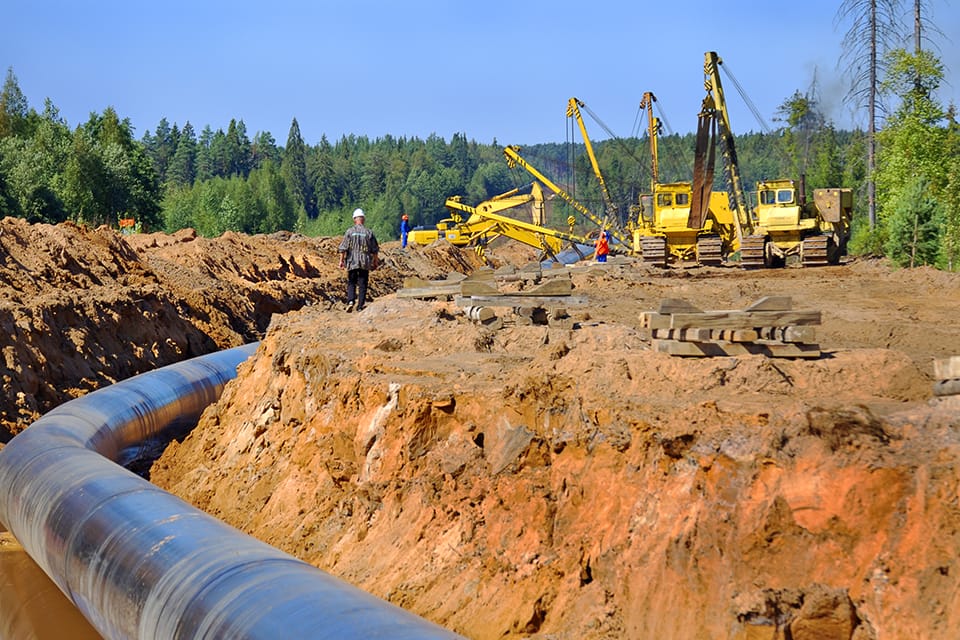
During his Mississippi visit, Rich watched whether the superintendent reinforced trench box expectations, even when it slowed the work. “The only way you can really see those things and get a feel for that is to be boots on the ground,” he said. Dr. Martin described this approach as “trust but verify.” Contractor information provides a foundation, but organizations still need ways to confirm how expectations are implemented onsite.
Technology can help by giving hiring organizations visibility across the entire contractor lifecycle. Junkin contrasted Boardwalk’s field involvement with organizations that go hands-off after selecting a contractor. “That just leaves so many opportunities for miscommunication, for not getting the right people to the job,” he said. Verification, in other words, doesn’t stop once prequalification ends.
Plan Risk Out Before Work Begins
Effective contractor management starts well before crews ever arrive onsite. Research from the National Institute for Occupational Safety and Health (NOISH) identifies five stages of contractor safety management. These include prequalification, pre-job risk assessment, training, job monitoring, and post-job evaluation.
This research reinforces an important point: contractor prequalification is just one piece of a much larger process. Boardwalk puts that full lifecycle into practice through detailed planning. Rich described a multistep process including scopes of work, pre-bid site walks, and 3D model reviews.
The objective is eliminating as many surprises as possible before breaking ground. “It takes time. It takes money, but we see it as a return on investment,” Rich said. Junkin connected this approach to a broader principle: hazards are best controlled during design and planning.
Build Contractor Relationships Around Trust and Clear Expectations
Boardwalk extends these relationships well beyond individual projects. Rich described the company’s Contractor Alliance Program and its annual Contractor Alliance Summit. The event gathers contractors for two days focused on quality and safety. The goal is continuity, not starting over with every new project.
For Dr. Martin, however, real partnership requires more than trust alone. Hiring organizations must also clearly define what they expect from contractors. “When you have a partnership, part of the partnership is setting the standards correctly too,” she said.
She pointed to incident investigations as one clear example. Asking a contractor to perform a root cause analysis without explaining the expected depth creates frustration on both sides. What one organization considers sufficient may fall short of what another expects entirely.
Clear expectations matter even more when contractors have different internal resources. Rich noted that Boardwalk works with both large national contractors and smaller organizations. Expectations don’t change, but the support needed to meet them often does. “We don’t just throw it out there and say, figure it out. That’s not teamwork,” Rich said.
Make Incidents an Opportunity for Shared Learning
The strength of a contractor relationship becomes visible when something goes wrong. Rich said Boardwalk never treats an incident involving an alliance contractor as solely their problem. “That’s our injury. That is a combined shared injury between us,” he said.
From there, both organizations examine the systems and behaviors that contributed to the event. Together, they identify corrective actions built to last. Rich cautioned against letting emotion drive fixes that sound strong immediately but fail to hold up over time.
This learning can extend beyond incidents on Boardwalk projects themselves. Rich described building relationships where contractors feel safe sharing incidents that happened elsewhere. That transparency requires real trust between both organizations.
Junkin noted that when contractors fear reporting will jeopardize the relationship, organizations lose critical information. “If I hide things from you, you can’t make a good risk determination,” he said. Openness, not punishment, drives better outcomes for everyone involved.
Partnership Still Requires Accountability
Collaboration does not transfer safety responsibility from one organization to another. Junkin emphasized that contractors remain responsible as employers for understanding hazards their workers face. They must also meet requirements, provide training, and implement necessary controls.
“Whether you do or you don’t, we still have a responsibility as contractors,” Junkin said. Hiring organizations can provide information, set expectations, and support contractors with fewer resources. However, partnership should never create dependence on the hiring organization for every safety decision.
Contractor Prequalification Should Start the Relationship, Not End It
Contractor prequalification answers one important first question: does this contractor meet the requirements? What follows requires very different questions entirely. Are qualified workers actually performing the work as expected?
Are field practices consistent with what prequalification evaluated? Can contractors raise concerns without fearing consequences? When something goes wrong, do both organizations genuinely learn from it? As Rich put it, “You put equity in the bank with each other.”
Contractor prequalification helps organizations decide who they want to work with initially. What happens after that decision, however, determines how effectively both organizations manage risk. Building real partnerships takes far more effort than checking a score.
Watch Episode 146 of The Risk Matrix for the full conversation with Tim Rich, Dr. Logan Martin, and James Junkin on contractor prequalification, field verification, planning, and building stronger contractor relationships.