

Feasibility and OSHA Rulemaking: Lessons from the Cotton Dust Case
Posted on: July 2, 2026 in General Industry
By: James Junkin
Feasibility remains the foundation of OSHA health standards and continues to shape workplace safety regulations today.
The Occupational Safety and Health Act of 1970 established OSHA’s authority to develop standards that protect workers from occupational hazards. However, the statute does not clearly explain how economic considerations should influence those standards. Consequently, courts have played an important role in defining OSHA’s regulatory authority.
One of the most influential decisions addressing this issue is American Textile Manufacturers Institute, Inc. v. Donovan (1981), commonly known as the Cotton Dust Case. The Supreme Court examined whether OSHA must perform a formal cost-benefit analysis before issuing health standards. Ultimately, the Court concluded that feasibility, rather than cost-benefit balancing, is the proper legal standard.
For safety professionals, this distinction remains highly significant. It influences regulatory compliance, engineering decisions, and long-term safety investments. More importantly, it reinforces that worker protection remains OSHA’s primary objective.
The Background Behind the Feasibility Standard
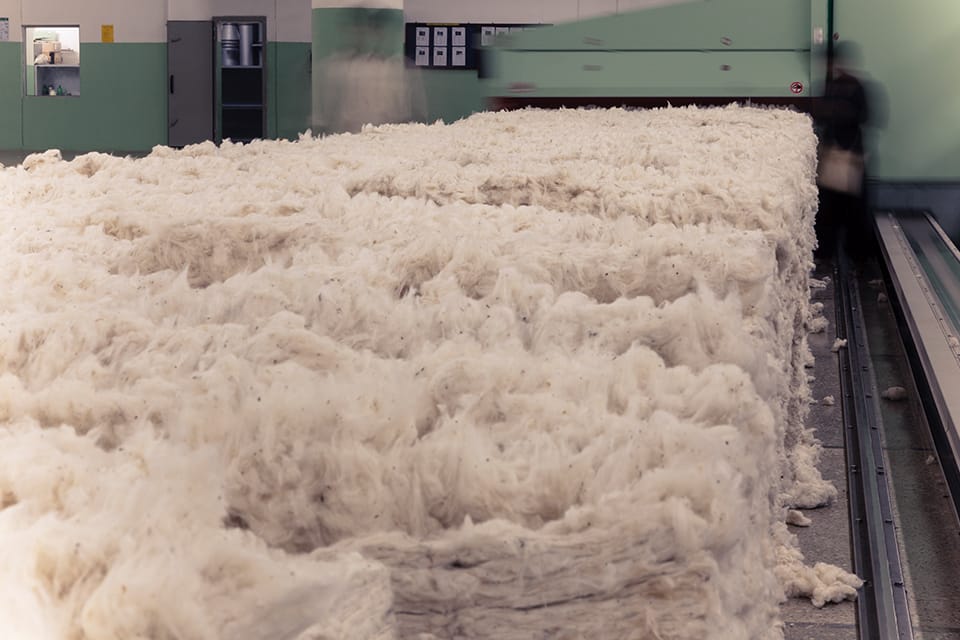
The Cotton Dust Case originated within the textile manufacturing industry. Workers were routinely exposed to airborne cotton dust during production activities. Long-term exposure was linked to byssinosis, commonly known as “brown lung,” a serious and irreversible respiratory disease.
To reduce these risks, OSHA proposed significantly lower exposure limits. The agency also required engineering controls, ventilation improvements, process modifications, and enhanced housekeeping practices. These measures were intended to reduce harmful worker exposure.
Industry organizations challenged the regulation. They argued that compliance costs were excessive and outweighed the expected benefits. Furthermore, they maintained that OSHA should be required to conduct a formal cost-benefit analysis before adopting new health standards.
As the litigation progressed, the dispute expanded beyond cotton dust exposure. The central question became whether OSHA’s authority required economic balancing or whether feasibility alone satisfied the statutory requirement. Consequently, the Supreme Court agreed to resolve the issue.
The Supreme Court Defines Feasibility
The Supreme Court ruled that OSHA is not required to perform a traditional cost-benefit analysis when issuing health standards. Instead, the Court concluded that the Occupational Safety and Health Act prioritizes worker protection. Therefore, OSHA’s responsibility is to establish standards that are technologically and economically feasible.
The Court recognized that illnesses, disabilities, and fatalities cannot always be assigned precise monetary values. Consequently, comparing health outcomes directly with compliance costs would not fulfill Congress’s intent.
Instead, the Court adopted the feasibility framework. OSHA must demonstrate that required controls can reasonably be implemented using available technology. Additionally, compliance costs must not threaten the long-term survival of the regulated industry.
Importantly, economic feasibility does not mean regulations must be inexpensive. Rather, it means industries can reasonably absorb compliance costs while remaining operational.
This distinction fundamentally changed OSHA rulemaking. Worker protection became the central objective, while economic considerations remained important only within the boundaries of feasibility.
How Feasibility Shapes OSHA Rulemaking
The Cotton Dust Case continues influencing OSHA’s regulatory process today. When proposing new standards, OSHA must demonstrate technological feasibility. The agency evaluates existing engineering controls, available technologies, and practical implementation methods.
Economic analysis also remains important. However, its purpose differs from traditional cost-benefit analysis. Instead of determining whether benefits exceed costs, OSHA evaluates whether industries can realistically implement the required protections.
As a result, OSHA rulemaking has become increasingly and technically rigorous. Rulemaking often requires extensive research, stakeholder engagement, engineering evaluations, and economic analysis.
Although this process requires significant time, it produces stronger and more defensible regulations. Consequently, OSHA standards are better equipped to withstand legal scrutiny.
Implications for Safety Professionals
For safety professionals, feasibility provides a practical framework for hazard control and regulatory compliance. Engineering controls remain the preferred method for reducing workplace exposure. Therefore, professionals should evaluate available technologies before relying on administrative controls or personal protective equipment.
Successful implementation often requires collaboration across departments. Safety professionals work closely with engineering, operations, maintenance, and leadership teams to identify practical solutions.
Economic considerations still influence planning. However, the discussion shifts from whether safety investments are worthwhile to how they can be implemented sustainably.
This perspective supports long-term planning. Capital investments, phased implementation strategies, and operational improvements all contribute to achieving feasibility while maintaining compliance.
Professional judgment also becomes increasingly important. Safety leaders must evaluate technical effectiveness, operational practicality, and regulatory expectations simultaneously.
Organizational Readiness and Long-Term Planning
The principles established in the Cotton Dust Case extend well beyond regulatory compliance. Organizations should proactively identify hazards before regulations require corrective action. Early risk identification provides additional time for engineering evaluations and implementation planning.
Capital planning also plays an essential role. Organizations should allocate resources for ventilation systems, process improvements, automation, and other engineering controls. Integrating safety investments into long-term budgeting improves organizational readiness.
Leadership engagement remains equally important. Executives must recognize that worker protection requires sustained investment and strategic planning. Visible leadership support strengthens both compliance and organizational resilience.
Organizations that embrace the feasibility framework are often better prepared for future regulatory changes. They also develop stronger operational systems capable of adapting to evolving workplace hazards.
Why the Cotton Dust Case Still Matters
More than four decades later, the Cotton Dust Case continues shaping occupational safety regulation. Emerging hazards, new technologies, and evolving industries create ongoing regulatory challenges. Nevertheless, the feasibility framework continues guiding OSHA’s approach to worker protection.
The decision also reinforces an important principle. Safety regulations should prioritize preventing occupational illness and injury rather than maximizing economic efficiency alone.
For safety professionals, the case provides valuable guidance for decision-making. It emphasizes practical hazard reduction, engineering excellence, and sustainable compliance strategies.
Understanding this legal foundation also strengthens communication with executives, regulators, and operational leaders. Consequently, organizations make better-informed safety investments.
Conclusion
The Supreme Court’s decision in American Textile Manufacturers Institute, Inc. v. Donovan established one of the most important principles in occupational safety law.
Rather than requiring formal cost-benefit analysis, the Court determined that OSHA health standards must satisfy the standard of feasibility. This framework balances technological capability, economic practicality, and worker protection.
For safety professionals, these principles remain highly relevant. Effective compliance depends on implementing practical engineering controls, evaluating operational realities, and maintaining long-term commitment to worker health.
Ultimately, feasibility is more than a legal standard. It is a practical framework that helps organizations reduce risk, strengthen compliance, and build safer workplaces for the future.
About the Author
James A. Junkin, MS, CSP, MSP, SMS, ASP, CSHO is the chief executive officer of Mariner-Gulf Consulting & Services, LLC and the chair of the Veriforce Strategic Advisory Board and the past chair of Professional Safety journal’s editorial review board. James is a member of the Advisory Board for the National Association of Safety Professionals (NASP). He is Columbia Southern University’s 2022 Safety Professional of the Year (Runner Up), a 2023 recipient of the National Association of Environmental Management’s (NAEM) 30 over 30 Award for excellence in the practice of occupational safety and health and sustainability, and the American Society of Safety Professionals (ASSP) 2024 Safety Professional of the Year for Training and Communications, and the recipient of the ASSP 2023-2024 Charles V. Culberson award. He is a much sought after master trainer, keynote speaker, podcaster of The Risk Matrix, and author of numerous articles concerning occupational safety and health. He is a proud veteran of the United States Navy and a strong advocate for veteran causes.