


Utility Worker Safety: Legislative Round Up on 6 New Rules for 2026
Posted on: January 29, 2026 in Utilities/Energy
By: Veriforce Team
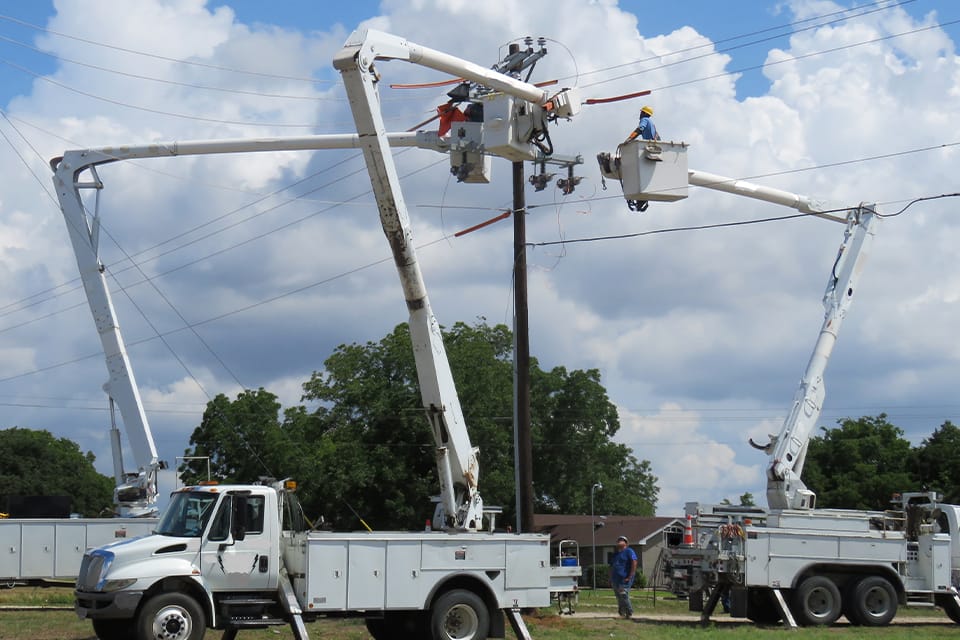
Utility worker safety is facing renewed attention as lawmakers respond to changing risk across energy projects. As projects grow larger and more complex, utilities increasingly rely on subcontractors for specialized fieldwork. Estimates suggest subcontractors now perform 60 to 80 percent of utility field activities.
However, this model introduces new challenges. Many utility worker crews operate with limited oversight. Training levels can vary widely. Language barriers further complicate communication. Together, these gaps increase the likelihood of injuries and serious incidents.
In response, legislators are introducing new rules to strengthen worker protection and accountability. These updates will shape how utilities manage training, documentation, and daily safety practices in 2026.
Below are six new or emerging rules utility leaders should prepare for.
1. OSHA Heat Injury and Illness Prevention
Status: OSHA’s proposed heat injury and illness prevention standard is nearing finalization.
What it requires:
The draft rule requires employers to implement a heat injury and illness prevention plan. This applies when workers face indoor or outdoor heat indexes of 80°F for over 15 minutes per hour. Plans must address acclimatization, water access, shade, emergency response, and recordkeeping. Monthly documentation and training are central requirements.
Why it matters for utility worker safety:
Utility work frequently occurs outdoors in extreme heat. Many subcontractor crews lack structured heat training. This rule targets preventable heat-related injuries across all worker tiers.
2. OSHA PPE Fit Rule
Status: OSHA’s final PPE fit rule took effect in January 2025.
What it requires:
Employers must provide PPE that properly fits every utility worker. The rule emphasizes women and smaller-bodied workers. Fit assessments, worker training, and documentation are required.
Why it matters for utility worker safety:
Poorly fitting PPE increases entanglement and fall risk. Utility worker tasks often involve energized systems and heights. PPE failures in these settings can lead to serious injury or fatality events.
3. Pipeline Safety Reauthorization Act
Status: The PIPES Act reauthorizes PHMSA for five years.
What it requires:
The act strengthens expectations for pipeline integrity and excavation safety. Operator Qualification requirements expand. Penalties increase. Utilities must maintain stronger documentation and contractor qualification records. Digital tracking will become essential.
Why it matters for utility worker safety:
Many pipeline incidents involve contractors. These updates push utilities to verify qualifications and improve oversight across excavation and maintenance work.
4. Communication Tower Safety Rules
Status: OSHA has proposed a new communication tower safety rule.
What it requires:
The rule is expected to address fall protection, climbing procedures, rescue planning, and anchor point verification. Requirements apply to both utility-owned and telecom towers. Utilities must review training and rescue plans for all crews.
Why it matters for utility worker safety:
Tower work has one of the industry’s highest serious injury and fatality rates. Inconsistent subcontractor training increases overall risk exposure.
5. Washington State “Dig Law”
Status: Washington enacted a new “dig law” with phased implementation.
What it requires:
The law updates excavation practices near pipelines and telecom infrastructure. It expands training expectations and pre-dig verification requirements. The law applies to work within 700 feet of certain assets.
Why it matters for utility worker safety:
Dig-ins remain a leading cause of serious incidents for utility workers. Washington’s approach may influence similar laws nationwide.
6. Texas SB 482 and Protections for the Utility Worker
Status: Texas enacted SB 482, effective September 1, 2025.
What it requires:
Assault against a utility worker during disaster response is now a felony. Harassment becomes a Class A misdemeanor. The definition of utility worker expands to include electric, gas, telecom, and pipeline roles. Utilities must update identification and reporting procedures.
Why it matters for utility worker safety:
Utility crews often face public frustration during outages. These penalties aim to reduce violence risk. Employers should also review training related to threat response and situational awareness.
What These Rules Mean for Utility Worker Safety in 2026
Together, these regulations send a clear message. Utility worker protection now depends on documented competency and verified training. Subcontractor oversight is no longer optional. Utilities must ensure consistent standards across all crew levels.
Building strong documentation systems today reduces future compliance risk. It also improves visibility into workforce readiness. When audits occur, clear records will matter.
More importantly, these changes provide an opportunity. Utilities can strengthen safety culture while improving operational consistency. Proactive planning helps teams meet requirements before they become hard deadlines.
Preparing for 2026 means reviewing training programs, qualification tracking, and contractor management processes now. Utilities that act early will be better positioned to protect every utility worker in the field.
To see how Veriforce helps utilities track training, verify qualifications, and protect every utility worker, let’s talk.