

Coal Power Plant Safety: 3 Modern Solutions for Aging Facilities
Posted on: January 20, 2026 in Utilities/Energy
By: Veriforce Team
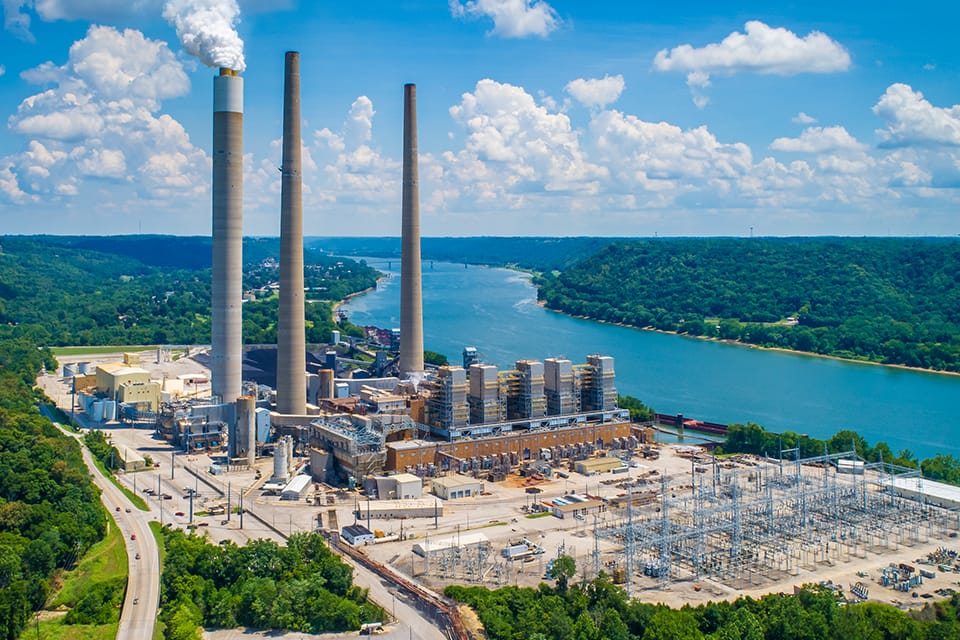
Coal power plant safety is becoming a growing concern as older facilities remain online longer than originally planned. Just a few years ago, many U.S. coal-fired units were slated for retirement. Operators expected to take nearly 30% of capacity offline by 2035, according to the U.S. Energy Information Administration. However, policy shifts and rising power demand are changing those timelines. Growth in AI and data centers is also contributing to extended plant operations.
For operators, this shift is not only economic. It increases safety and compliance risk across aging infrastructure. Retrofitting outdated spaces also presents challenges. Teams must manage coal ash, silica dust, fall hazards, and mechanical risks at the same time.
Meanwhile, the workforce itself is aging. Industry data suggests up to 400,000 U.S. energy workers may retire within the next decade. Fewer younger workers are available to replace them. As a result, institutional knowledge loss is becoming a serious operational risk.
These realities force difficult questions. Can older units support today’s safety expectations? Are hazard controls still effective? How will teams transfer experience as veteran workers leave?
The following best practices highlight practical ways to strengthen coal power plant safety while maintaining grid reliability.
Modernize Equipment to Improve Coal Power Plant Safety
Many coal plants still operate with outdated pulleys, conveyors, dust systems, and access points. Over time, these conditions increase exposure to coal ash and silica. They also raise the likelihood of mechanical failures. As a result, risk compounds across daily operations.
Retrofitting aging equipment requires careful planning. Work must be sequenced to avoid production disruptions. Oversight is also critical to prevent new hazards during upgrades.
Best practices for a phased modernization plan include:
- Conduct a top-down evaluation of equipment and ventilation systems
- Assess structural integrity, functionality, and regulatory compliance
- Prioritize engineering controls that eliminate or isolate hazards
- Invest in improved ventilation and modern dust-collection systems
- Update guarding and redesign access points where feasible
These upgrades help reduce worker exposure while supporting long-term coal power plant safety goals.
Engineer Safer Access Points within the Coal Power Plant
Coal power plant layouts often require workers to access equipment in tight or elevated locations. Many older units lack modern access routes. As a result, workers may climb over obstructions or enter areas not designed for routine maintenance.
These conditions increase fall risk and contact injuries. They also raise the chance of unintended exposure to dust and other hazards. Therefore, engineered access should be a priority.
Best practices to reduce exposure before relying on administrative controls or PPE include:
- Install platforms, stairs, catwalks, and guardrails
- Ensure access routes are stable and predictable
- Relocate controls to more reachable areas when possible
- Restrict entry where hazards cannot be fully engineered out
By improving physical access, operators can significantly improve coal power plant safety while also increasing efficiency.
Preserve Knowledge as the Workforce Ages
Experienced workers carry deep knowledge about equipment behavior and site-specific hazards. They also remember historical incidents and informal workarounds. Losing this insight without a plan can reduce situational awareness.
This challenge is more pronounced at older facilities. Many workers rely on familiarity with legacy systems. When that experience disappears, inconsistency and error rates can rise.
Best practices to preserve operational knowledge include:
- Pair new workers with experienced mentors
- Implement structured knowledge-transfer programs
- Use scenario-based training tied to real coal plant hazards
- Document procedures using standardized digital systems
- Track qualifications and refresher training consistently
These steps help prevent outdated or unsafe methods from being passed down. They also support safer decision-making across the coal power plant.
Apply the Hierarchy of Controls to Coal Power Plant Safety
Coal power plant hazards include acute risks such as falls, crush injuries, and equipment failures. Long-term exposures, including coal ash and silica, also remain concerns. Applying the hierarchy of controls helps teams address these risks systematically.
Key considerations include:
1. Elimination:
Remove hazards where possible. This may involve updated equipment, improved ventilation, or redesigned processes.
2. Engineering controls:
Install guards, enclosures, and dust suppression systems. These measures physically separate workers from hazards.
3. Administrative controls:
Strengthen procedures, signage, scheduling, and job hazard analyses. Consistency is critical across crews and contractors.
4. Training:
Reinforce safe work practices through ongoing instruction. Ensure training reflects real site conditions.
5. PPE:
Treat PPE as the final layer of protection. While necessary, it should never replace upstream controls. Inspect, maintain, and replace PPE as required. MSHA’s strong enforcement culture reinforces this approach. Coal facilities face a higher bar of diligence. Clear documentation and consistent execution are essential to compliance.
Modernizing Coal Power Plant Safety Protects Workers and Operations
As coal power plant operators plan for extended operations, modernization becomes unavoidable. Infrastructure upgrades are only part of the equation. Hiring practices, training programs, safety procedures, and contractor oversight must also evolve.
By aligning physical improvements with stronger systems and knowledge transfer, organizations can reduce risk. More importantly, they can protect workers while maintaining reliable operations. In the long term, investing in coal power plant safety supports both compliance and continuity.
Ready to Strengthen Coal Power Plant Safety?
As coal power plants continue operating longer than expected, having the right systems and expertise in place matters more than ever. Veriforce helps energy operators manage contractor safety, workforce qualifications, and compliance programs across complex, high-risk environments. From standardizing training and tracking credentials to improving visibility into site-level risk, Veriforce supports safer operations at every stage. Learn how Veriforce can help your team modernize safety practices and protect both people and performance. Let’s talk.